We Accept Insurance


Evidence-based treatment for teen anxiety


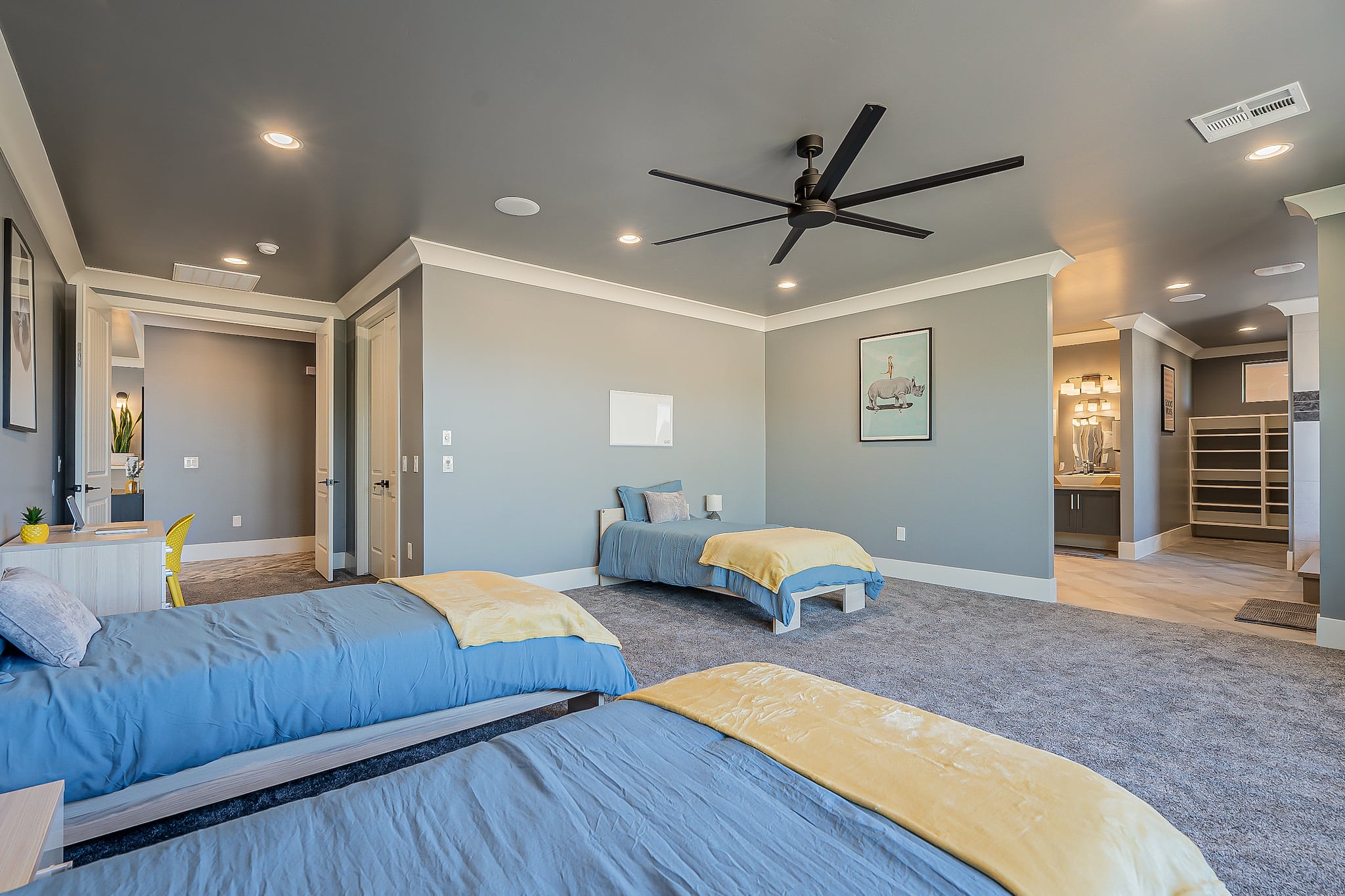
A peaceful, homelike environment


Empowers teens to build resilience




Your teen’s anxiety is real—and treatable
If you’re watching anxiety disrupt your teen’s life, you’re not alone. One in four US teens struggles with an anxiety disorder, which can affect everything from their grades to their friendships. Without support, teens can develop deeper issues like depression and isolation. The right treatment is crucial to help them manage symptoms and build a confident future.
Anxiety is the second most diagnosed mental disorder in children 3–17
What anxiety looks like in a teenager
Anxiety in teens isn’t just worry—it can show up in unexpected physical, emotional, and behavioral ways. Here are common signs to watch for:
Emotional and behavioral signs
- Excessive worry about everyday things
- Irritability, restlessness, or anger
- Difficulty concentrating
- Avoiding social situations or previously enjoyed activities
- Thoughts of self-harm or suicide (seek immediate help if you see this sign)
Physical signs
- Difficulty falling asleep, staying asleep, or sleeping too much
- Constant fatigue or exhaustion
- Frequent headaches, stomachaches, or muscle tension
- A racing heart, sweating, or shortness of breath
 (855) 506-1906
At Avery’s House, your child is in expert hands: 93% of teens rate our therapists as knowledgeable and skilled.

A safe space for your teen to heal
Teenage anxiety treatment
Avery’s House provides expert anxiety treatment in a safe, nonjudgmental, and affirming environment for all teens, including those in the LGBTQ+ community. Our skilled professionals create a personalized care plan to address the root cause of anxiety, helping your child build resilience and confidence every step of the way.
(855) 506-1906

Is it time for professional anxiety treatment?
If anxiety is preventing your teen from thriving at school, with friends, or at home—the answer is yes. You know your child best, and recognizing the signs is the most important first step. You don’t have to have all the answers. Reach out to Avery’s House today. We’ll help you understand the options and find the right support for your family.
(855) 506-1906








Affordable teen therapy
We partner with major Arizona insurers to minimize out-of-pocket costs. We can help you verify your coverage now.

We’re in-network with Blue Cross Blue Shield
Why is my teen so anxious?
There’s rarely a single answer. Anxiety often develops from a complex mix of biological and environmental factors—many of which are beyond a teen’s or parent’s control. Common contributing factors include
- Genetics: A family history of anxiety or other mental health conditions.
- Brain chemistry: An imbalance of natural brain chemicals (neurotransmitters).
- Past trauma: Distressing events like bullying, loss, or family conflict.
- Chronic stress: Overwhelming pressure from school, social life, or high expectations.
- Social environment: The influence of peer groups and social media pressure.
Understanding your teen’s unique situation is the first step. We can help.
 (855) 506-1906
Speak to a Representative
(855) 506-1906
Speak to a Representative
Avery’s House guides teens from anxiety to confidence
Common types of anxiety in teens
Anxiety can show up in different ways. Here are some common forms we see and treat in teenagers.
Generalized anxiety disorder (GAD): Constant, excessive worry that feels impossible to control.
Social anxiety disorder: Intense fear of being judged or embarrassed in social situations that causes teens to avoid friends, school events, or even speaking in class.
Panic disorder: Repeated episodes of overwhelming fear (panic attacks) that include physical symptoms like a racing heart, trouble breathing, or dizziness.
Obsessive-compulsive disorder (OCD): Unwanted, intrusive thoughts that lead to repetitive, ritualistic behaviors like excessive handwashing or checking.
Post-traumatic stress disorder (PTSD): Develops after experiencing or witnessing a traumatic event. Symptoms include flashbacks, nightmares, and avoidance of reminders of the trauma.
(855) 506-1906
Therapeutic services included








We tailor treatment plans to reflect each teen’s strengths, challenges, and goals. The following are common services:
- Individual sessions
- Dialectical behavior therapy (DBT)
- Cognitive behavioral therapy (CBT)
- Art therapy
- Acceptance and commitment therapy (ACT)
- Pharmacotherapy
- Family therapy
- Community-based activities
- Music therapy
- Case management
- Medication management
- Academic support