When the safe place becomes the blast zone
You get the call from the teacher: “Your son was a delight today! He was helpful, quiet, and followed every rule.”
You hang up the phone, confused.
Just ten minutes ago, that same “delightful” child walked through the front door, slammed his backpack, screamed at his sister for breathing too loudly, and broke down in tears over a snack.
If you’re asking Why is my teen so angry after school? you aren’t alone.
For many parents of kids with ADHD or autism, this is a daily struggle. This Jekyll-and-Hyde behavior has a name: after-school restraint collapse.
It isn’t a sign that you’re a bad parent or that your teen is faking good behavior at school. In fact, it’s often a sign of how hard they are working to fit in.
The hidden work of teen masking
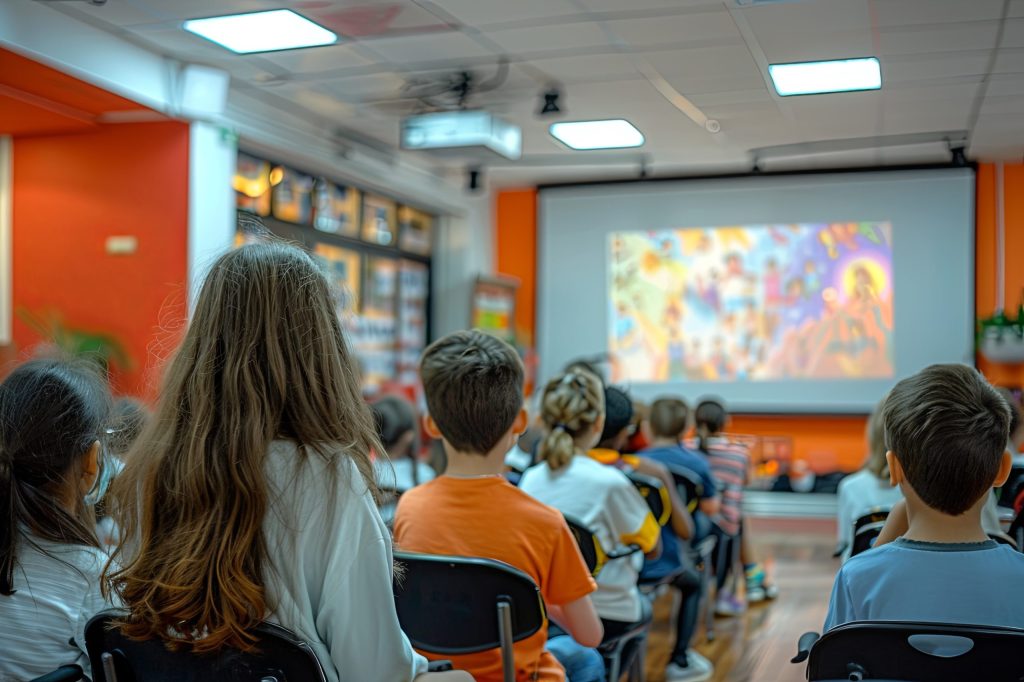
To understand why these outbursts happen, we have to talk about teen masking. Masking is when a neurodivergent teen hides their natural traits to blend in with their peers.
At school, your teen is working overtime. They are trying to
- Sit perfectly still when their body wants to move
- Ignore the hum of the lights or the smell of the cafeteria
- Force eye contact even when it feels uncomfortable
- Decode social rules that don’t come naturally to them
This constant effort is like holding a giant beach ball under water. It takes a huge amount of strength to keep it down all day. The moment they get home—their safe place—they finally let go. The beach ball pops up to the surface with a massive splash. That splash is the meltdown you see each afternoon.

Sensory overload in teens: The full cup theory
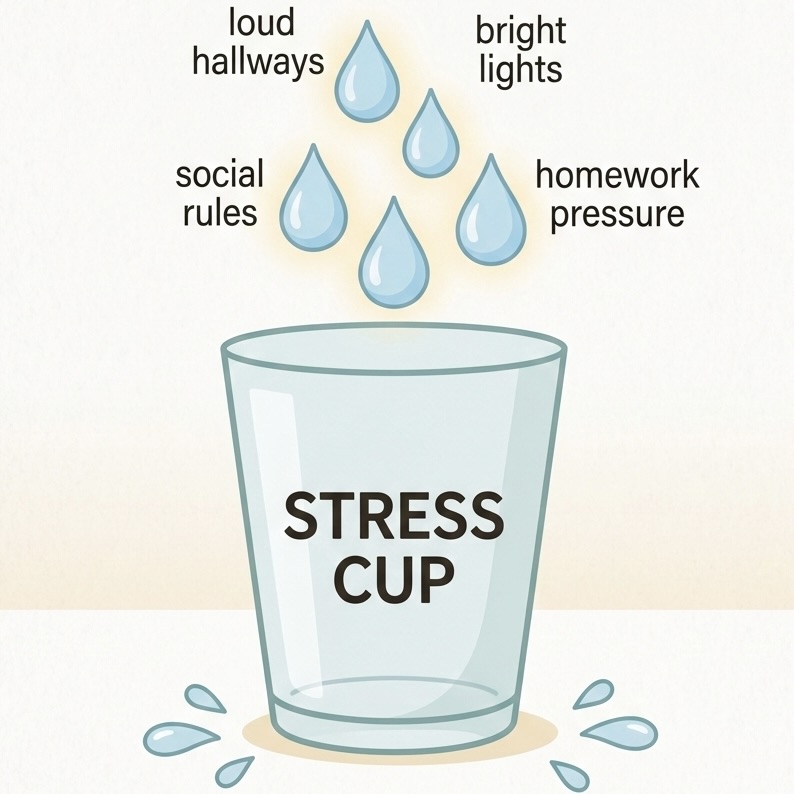
Imagine your teen starts the day with an empty cup. Every loud bell, bright hallway, and stressful social interaction adds a drop of water to that cup. By the end of the school day, the cup is full to the brim.
Sensory overload happens when that cup overflows.
When your teen gets home, even a small thing—like you asking, “How was your day?”—can be the drop that causes the spill.
This is a primary cause of after-school meltdowns. Your teen isn’t being rebellious. Their nervous system is simply overwhelmed and has no more room to process information.
Recognizing neurodivergent burnout
If these meltdowns happen every day, your teen might be heading toward neurodivergent burnout. This is more than being tired. It is a state of total physical and mental exhaustion caused by trying to “act normal” for too long.
When a teen is burnt out, they might
- Have more frequent or intense meltdowns
- Lose skills they used to have (like being able to organize their homework)
- Suffer from increased anxiety
- Pull away from friends and hobbies
This is why social skills training is so important for neurodivergent teens. If we expect them to mask 100% of the time, we are asking them to run a marathon every single day without a break.
Creating a sensory soft landing after school
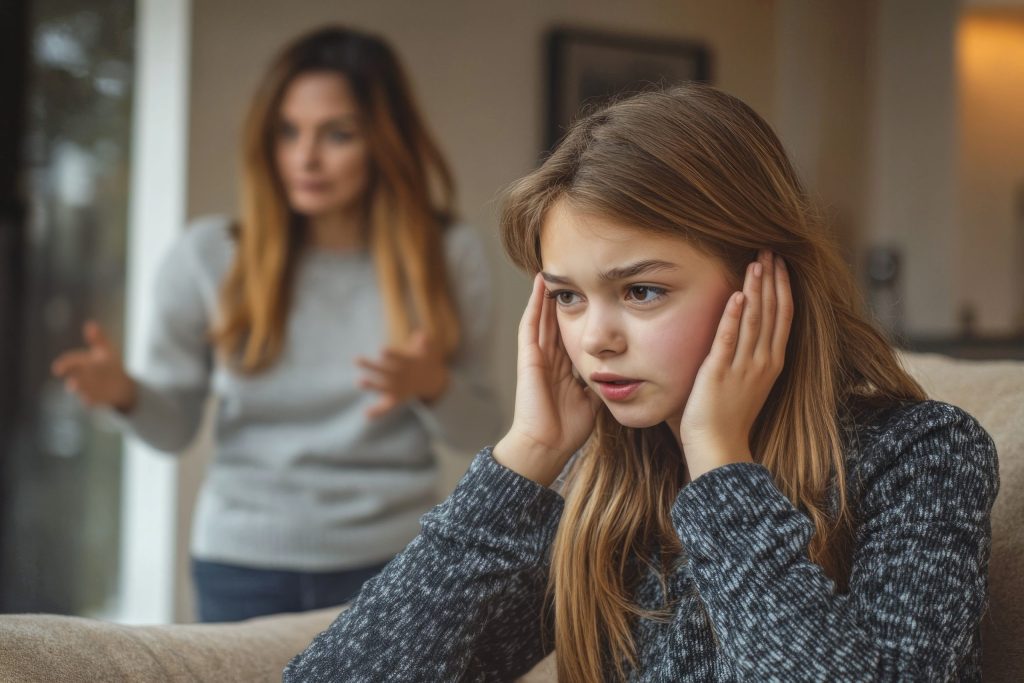
You can’t change the stress of the school day, but you can change how your teen lands when they get home. Here are four ways to prevent after-school meltdowns:
1. The golden hour of silence
When your teen walks in the door, don’t ask questions. Avoid asking about grades, chores, or even what they want for dinner. Give them 30 to 60 minutes of total decompression time. Let them go to their room, put on headphones, or stare at a screen. Their brain needs to reboot.
2. Low-light, low-sound environments
Dim the lights in the kitchen or living room. Avoid running the vacuum or loud appliances right when they get home. Reducing your home’s sensory input helps their nervous system calm down faster.
3. Provide heavy work or movement
Some teens need to move to get rid of the fizzy feeling in their bodies. A weighted blanket, a quick session with a punching bag, or even crunchy snacks (like carrots or pretzels) can provide the sensory input they need to regulate.
4. Validate the effort
Instead of focusing on the slamming door, try saying: “It looks like school was really exhausting today. I’m glad you’re home where you can just be yourself.” This lets them know that home is a mask-free zone.

When to seek more help
While a soft landing helps, sometimes the damage of neurodivergent burnout is already done. If your teen is constantly in a state of fight or flight, it can lead to long-term depression or school refusal.
At Avery’s House, we specialize in helping neurodivergent teens find balance.
We don’t teach them how to mask better; we teach them how to understand their own nervous systems. We help families move away from conflict and toward a home life that feels safe for everyone.
Contact Avery’s House today to learn more about our programs for teens with ADHD, autism, and sensory processing struggles.
