The hidden mental health cost of performance culture in youth sports
For many families, youth sports have transformed from a weekend hobby into a full-time pursuit. While organized sports provide structure and health benefits, the modern trend toward performance optimization can put immense pressure on a teenager’s developing mind.
When a teen starts to view themselves only as an athlete, their self-worth becomes tied to their stats, their starting position, and their wins. This narrow focus creates a fragile foundation for mental health.
If a teen believes they are only valuable when they’re winning, any setback feels like a personal failure. This is often the root of athlete identity issues. When the season ends or a big game is lost, the sudden lack of structure and purpose can be an emotional cliff.
At Avery’s House, we see how intense performance pressure impacts adolescent development. Teens need to know they are valued for their character and interests beyond their jersey number.
By fostering a well-rounded identity, parents can help their children build the resilience needed to handle the ups and downs of competitive life.

Recognizing the signs of youth sports burnout and identity loss
Identifying burnout early is essential for protecting your teen’s self-esteem and long-term relationship with physical activity.
Youth sports burnout is more than exhaustion after a long practice. It’s a psychological state where the joy of the game is replaced by a sense of obligation and dread.
Parents should look for these emotional and behavioral shifts:
- Decreased interest in other hobbies: They may stop hanging out with non-athlete friends or lose interest in creative outlets they once loved.
- Extreme mood swings tied to performance: A poor practice results in hours of silence or irritability at home.
- Perfectionism in other areas: The drive to be the best on the field starts to manifest as unhealthy pressure in school or social life.
- Negative self-talk: They use harsh language to describe their performance or their body.
- Constant physical complaints: They may complain of minor aches just to have a socially acceptable reason to miss a practice.
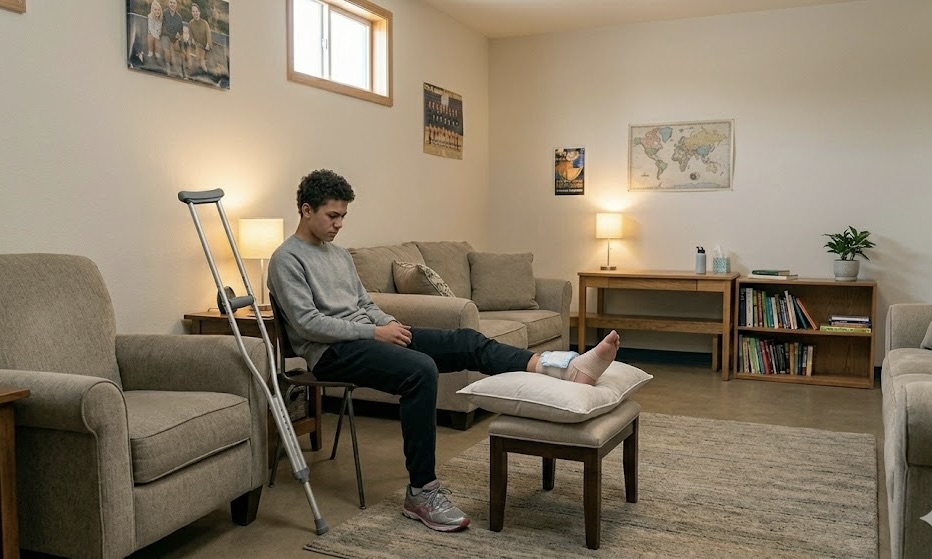
When a teen’s identity is one-dimensional, a single injury can feel like the end of the world.
Sports injury depression in teens is a real concern because it strips away their primary social circle and their main way of coping with stress.
Why the off-season is a vital time for mental growth
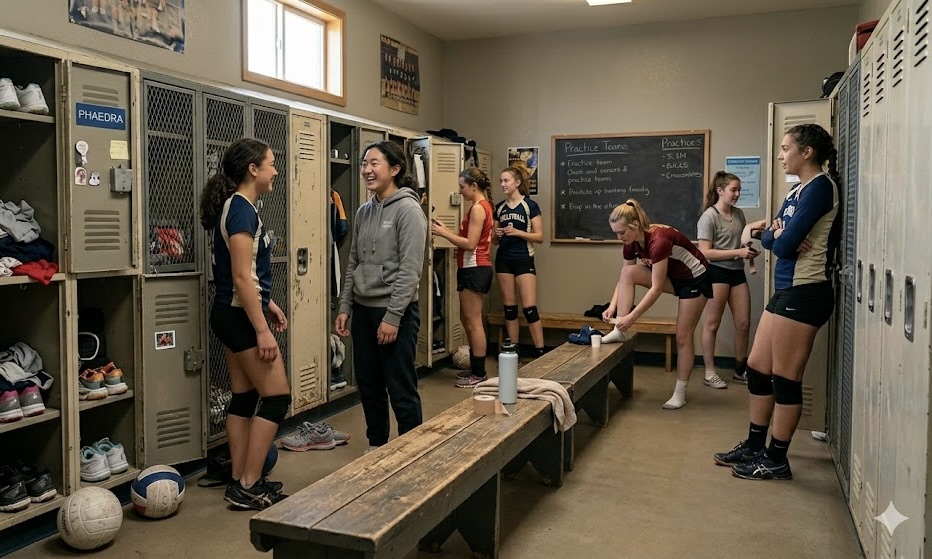
The time between competitive seasons is often treated as a gap to be filled with more training. However, the brain needs this time to reset and rediscover other parts of the self. This period is a great opportunity to reinforce that your child is more than just a player.
Encouraging a diverse range of activities helps protect against the identity foreclosure that can happen when a teen commits to one path too early. When they have other things they’re good at—or even things they just enjoy doing—they have a safety net for their self-esteem.
Using the off-season to practice the skill of resting is also beneficial. Teaching a teen that they don’t have to be productive every hour of the day helps combat the toxic idea that their worth is based on their output.
This balanced mindset is a core part of the healing we provide in our adolescent treatment programs.

Supporting your teen through injury or transition: A parent’s checklist
If your teen is facing a season-ending injury or is deciding to step away from a sport, the transition can be rocky.
They are essentially mourning the loss of a version of themselves. Use this list to guide your support during this time:
- Focus on character over talent: Praise their work ethic, their kindness to teammates, or their leadership skills rather than just the points they scored.
- Introduce low-stakes activities: Find hobbies where there is no scoreboard, such as hiking, cooking, or casual art, to take the pressure off.
- Maintain social connection: If they are injured, help them find ways to stay involved with their friends that don’t involve sport.
- Watch for “identity-void” behaviors: Be mindful of them turning to unhealthy habits to fill the time or mask the sadness of not playing.
- Validate the grief: Acknowledge that losing their sport is a real loss. Avoid minimizing it by saying “it’s just a game.”
6 tips for talking to your teen athlete about mental health
Connecting with a student-athlete about their mental health requires addressing the high-pressure culture of performance optimization, which can lead to an identity crisis.
Because many teens tie their entire self-worth to their sports performance, they may view mental health struggles as a sign of weakness.
Here are 6 tips for healthy communication with your teen:
- Wait for a cool-down period: Avoid deep conversations immediately after a game or practice, when emotions and cortisol levels are at their peak.
- Use parallel communication: Initiate talks during low-pressure activities like driving to practice or walking the dog. Sitting side by side rather than face to face with intense eye contact can help a teen feel less on the spot.
- Ask about their social battery rather than the score: Frame post-game check-ins around their energy levels or how they felt supported by their teammates to prioritize their well-being over the outcome.
- Watch for body armoring: Pay attention to physical cues like hiked shoulders or a clenched jaw, which can serve as a gentle opening to check in on their stress levels.
- Model body awareness: Discuss your own physical reactions to stress to help them normalize the connection between the mind and physical symptoms like migraines or stomach aches.
- Establish off-clock hours: Set specific times in the evening where sports talk is off limits and phones are on “do not disturb” to protect their mental space and sleep.

Building a resilient future at Avery’s House
At Avery’s House, we believe in treating the whole person.
Our clinical team understands that for a student-athlete, mental health recovery often involves untangling their self-worth from their performance. We help teens rediscover the passions and personality traits that exist underneath their athletic exterior.
Through individual and group therapy, we provide a safe space for teens to explore who they are when the whistle stops blowing. We teach them that their value is inherent and unchanging, regardless of whether they’re on the field or the sidelines.
Our goal is to help every teen leave our care with a robust, multi-faceted sense of self.

Finding value beyond the game
Your teen’s athletic journey is just one chapter of their story.
By encouraging them to explore different interests and valuing them for who they are—not what they do—you are setting them up for a lifetime of mental wellness.
Contact Avery’s House today to learn more about how we can help your teen navigate identity challenges and find balance. We’re here to support your family in building a healthy, well-rounded future for your child.
